Showing posts with label Solomon. Show all posts

Tuesday, January 19, 2010

The Queen's Songs


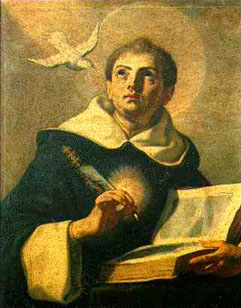
On December 6, 1273, St. Thomas Aquinas uttered these final words: "Venite, dilecti filii, egredemini in hortum." Translated: "Come, beloved sons, go forth into the garden.”

Thomas Aquinas was enamored with the Queen of Sheba. A strange thing for a monk. But on his path to enlightenment, he studied the passion-filled Song of Songs (or Songs of Solomon) with increasing fervor. Interestingly enough, whether Solomon actually wrote the songs is unlikely. Most religious sects believe that the Song of Solomon is NOT inspired scripture.

In fact, Jews and Christians both have been reluctant to include it as part of their cannon since both claim it’s too romantic. Yet, the Song of Solomon appears in the King James Bible. We might ask ourselves why is it included in the King James version and what is the significance of the Song of Solomon to us?

The Songs have been compared as an allegory of God’s love for Israel and/or God's Church. Also, some scholars believe that Solomon's songs may have been about the foreign queen, the Queen of the South, in other words, the Queen of Sheba.

St. Thomas Aquinas's final words paraphrased the Song of Songs. The question becomes what significant role did the Queen of Sheba hold to absorb the studies of a secluded holy man more than seven hundred years ago?

Wednesday, November 5, 2008

A Prophetess


The Queen of Sheba has been called a demon by some religions. Others profess that she was actually a prophetess--one who prophesied the coming of Christ. Quite different views. But both interesting all the same.

The story behind the queen prophesying of Christ was when she had a vision right before arriving in Jerusalem to visit King Solomon. She saw his "image" on a log that served as a footbridge over a small pond. Just as the queen was about to step on the log she had a vision of Christ on the cross--the cross made from that very log.

The story grows even more fantastical when the queen wades across the pond instead of using the log, and in the process her goosefeet (or goatfeet) are cured! Voila!

In the novel I'm writing, the queen shares her vision with Solomon and he declares that she is a visionary woman. But she sees Christ's image on a growing tree that is already considered sacred. Nature worshipping was a part of the queen's world and even the world of Solomon. He struggled with a lifetime of allegiance to the one and only god, until he finally returned to nature worshipping.

Tuesday, June 17, 2008

Final Words of a Saint


If you were on your deathbed, what would your last words be?

On December 6, 1273, St. Thomas Aquinas uttered these final words:

"Venite, dilecti filii, egredemini in hortum."

Translated:

"Come, beloved sons, go forth into the garden." (Sixtus of Sienna, Bibliotheca Sancta [Frankfurt, 1575], p. 331; as quoted in Sheba by Nicholas Clapp, 28).

Thomas Aquinas was enamoured with the Queen of Sheba. A strange thing for a monk. But on his path to enlightenment, he studied the passion-filled Song of Songs (or Songs of Solomon) with increasing fervor. Some scholars believe that Solomon's songs may have been about the foreign queen, the Queen of the South, aka the Queen of Sheba.

Interesting that St. Thomas Aquinas's final words paraphrased the Song of Songs.