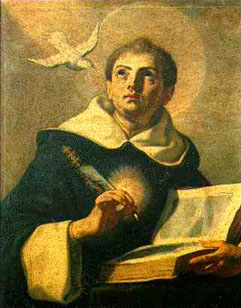
On December 6, 1273, St. Thomas Aquinas uttered these final words: "Venite, dilecti filii, egredemini in hortum." Translated: "Come, beloved sons, go forth into the garden.”
Thomas Aquinas was enamored with the Queen of Sheba. A strange thing for a monk. But on his path to enlightenment, he studied the passion-filled Song of Songs (or Songs of Solomon) with increasing fervor. Interestingly enough, whether Solomon actually wrote the songs is unlikely. Most religious sects believe that the Song of Solomon is NOT inspired scripture.
In fact, Jews and Christians both have been reluctant to include it as part of their cannon since both claim it’s too romantic. Yet, the Song of Solomon appears in the King James Bible. We might ask ourselves why is it included in the King James version and what is the significance of the Song of Solomon to us?
The Songs have been compared as an allegory of God’s love for Israel and/or God's Church. Also, some scholars believe that Solomon's songs may have been about the foreign queen, the Queen of the South, in other words, the Queen of Sheba.
St. Thomas Aquinas's final words paraphrased the Song of Songs. The question becomes what significant role did the Queen of Sheba hold to absorb the studies of a secluded holy man more than seven hundred years ago?